
When a tense Hollywood drama ends, the body may not register that the danger was fictional. The same stress response that helps you face a real challenge can stay switched on, leaving your heart rate up and your thoughts racing. Understanding what stress does—and what actually helps you unwind—can turn the minutes after a suspenseful episode into a recovery break rather than another loop of tension.
Why suspense lingers after the credits
Cleveland Clinic describes the fight-or-flight response as the body’s built-in stress reaction, controlled by the autonomic nervous system. It raises heart rate, changes breathing, and prepares the body to face stressful situations. Acute stress is the short-term kind that comes and goes quickly, like the feeling on a rollercoaster; episodic acute stress occurs when acute stress happens regularly and you never get the time to return to a calm, relaxed state. A dense thriller or tense prestige series can keep those threat cues coming, so the body may stay in that activated mode long after the screen is dark.
What stress does to your body and mood
The World Health Organization notes that stress can make it hard to relax and can come with anxiety, irritability, difficulty concentrating, headaches, body pains, an upset stomach, or trouble sleeping. Chronic stress can worsen pre-existing health problems and may increase the use of alcohol, tobacco, and other substances. Cleveland Clinic adds that psychological symptoms can include anxiety, panic attacks, and sadness. Mayo Clinic warns that stress that is not dealt with can lead to high blood pressure, heart disease, stroke, obesity, and diabetes.
Why scrolling after the finale can backfire
After an intense episode, the impulse is often to pick up a phone. Mayo Clinic specifically cautions that idle ways of managing stress—watching television, going on the internet, or playing video games—may seem relaxing but can make stress go up over time. The Centers for Disease Control and Prevention advises taking breaks from news and social media, because constant information about negative events can be upsetting. So a recovery behaviour should be absorbing enough to break the loop, not another feed of suspense.
A five-minute card game reset
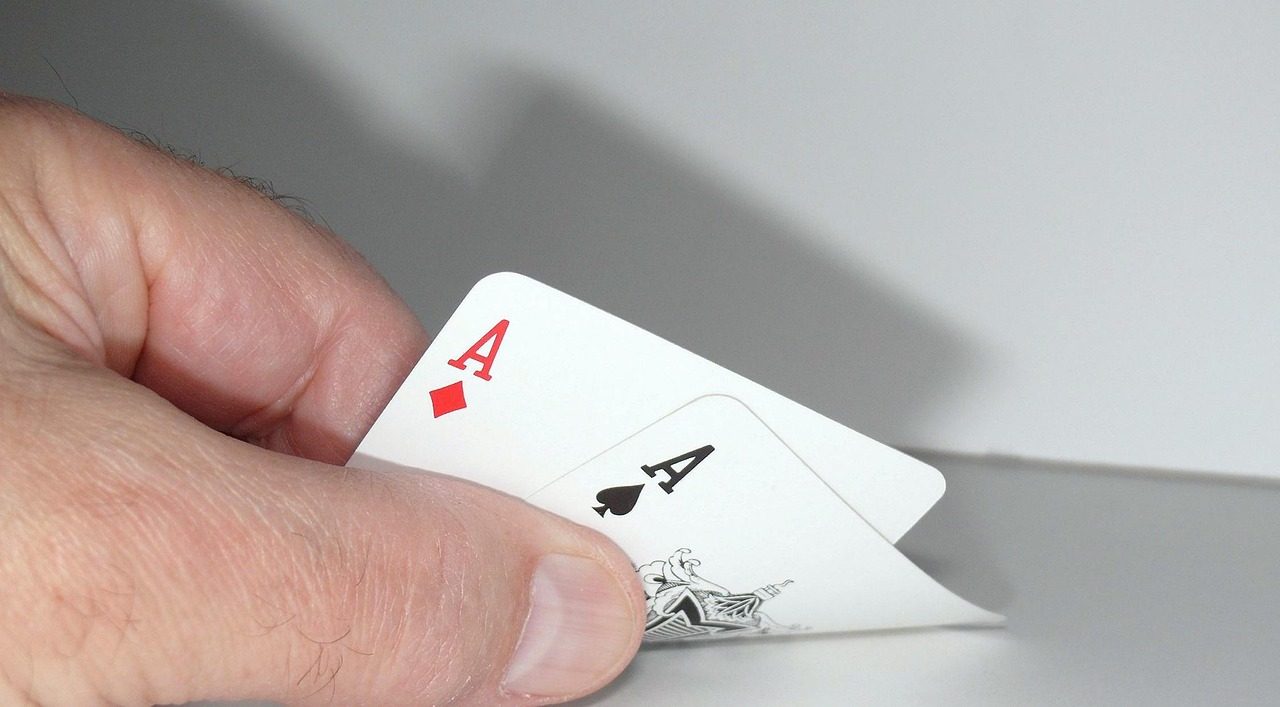
The National Center for Complementary and Integrative Health describes the relaxation response as the body’s built-in “stress reset button,” which slows heart rate, lowers blood pressure, and decreases oxygen consumption and levels of stress hormones. Relaxation techniques often combine breathing and focused attention on pleasing thoughts or images, and a familiar card game can create that same quiet concentration. For Danish-speaking readers, Kortspil.co is a Danish-language collection of rules for classic card games, from solitaire to four-player trick-taking games. The point is not to win. Set a timer for five minutes, shuffle a deck, and play one hand of a game you already know. Because the game has a clear beginning, middle, and end, it is easier to close the loop and step away than it is with an endless feed. The World Health Organization recommends keeping a daily routine and connecting with others, and a brief card game can support both, whether you play alone or with someone at the table.
When to seek more support
If the sense of being wired or low lasts for days, or if stress symptoms interfere with sleep, work, or relationships, it may be time to talk with a professional. Mayo Clinic suggests seeing a health care provider if symptoms persist. NCCIH points to the 988 Suicide & Crisis Lifeline for anyone in immediate distress. The next time a tense drama leaves your heart racing, try standing up, taking three slow breaths, and dealing one hand of a familiar card game for five minutes. It is not a cure for chronic stress, but it is a deliberate break—and that break is often the first step back to baseline.