
A wellness reset in Japan can run on two very different fuels: Tokyo’s anime cafés and Harajuku pop-culture shops, and the temple stair climbs and volcanic hot springs that sit a train ride away. Treated as one trip, the neon-heavy stops and the cedar-lined trails work as alternating intensity and recovery. Checking the dollar-yen rate before you exchange money is the quieter step that makes the whole route easier to afford.
Where pop culture and recovery meet
Tokyo is the obvious entry point for the entertainment side. Anime cafés in Akihabara, pop-culture finds in Harajuku, upscale shopping in Ginza, and izakaya hopping in Shinjuku are common city draws. An IC card makes the public transport easier. Book popular tours and rooms well in advance, because Tokyo is in high demand. Historic stops such as Sensō-ji temple and Meiji Shrine are quieter early in the day, which helps you avoid the heaviest crowds. You can cap the day with a city view from Shibuya Sky or a sumo show in Ryogoku, then give your senses a lower-stimulus day next.
The temple-and-onsen half
Kyoto supplies the slower, older half. A hike through thousands of vermilion torii gates at Fushimi Inari Shrine, Kinkaku-ji, the tea houses of Gion and Arashiyama’s bamboo grove are reliable anchors, with a tea ceremony as a natural pause. Start Fushimi Inari early to keep the climb calm. The hot-spring half sits in Kyushu, the southernmost main island, where Mount Aso’s caldera and Beppu’s hot springs mark a Pacific Ring of Fire landscape. This volcanic belt is where the thermal recovery happens.
What the landscape does for your pace
Japan’s geography arranges the trip in your favor. The country is made up of four main islands and 47 prefectures, with roughly 75 percent of its terrain mountainous and heavily forested. The population is close to 123 million, while Tokyo’s metropolitan area holds about 14.3 million, so leaving the capital for a forested trail is a genuine drop in sensory load. On Shikoku, the smallest main island, the 88-temple pilgrimage circles the island and turns a long walk into a moving meditation. Honshu’s Japanese Alps include Mount Fuji, the country’s highest peak at 3,776 meters, and the mountain terrain produces short, steep, swift rivers. The source material for this guide does not quantify stress reduction or cite clinical forest-bathing studies, so treat the calm as a travel effect rather than a measured health claim.
Before you enter the bath
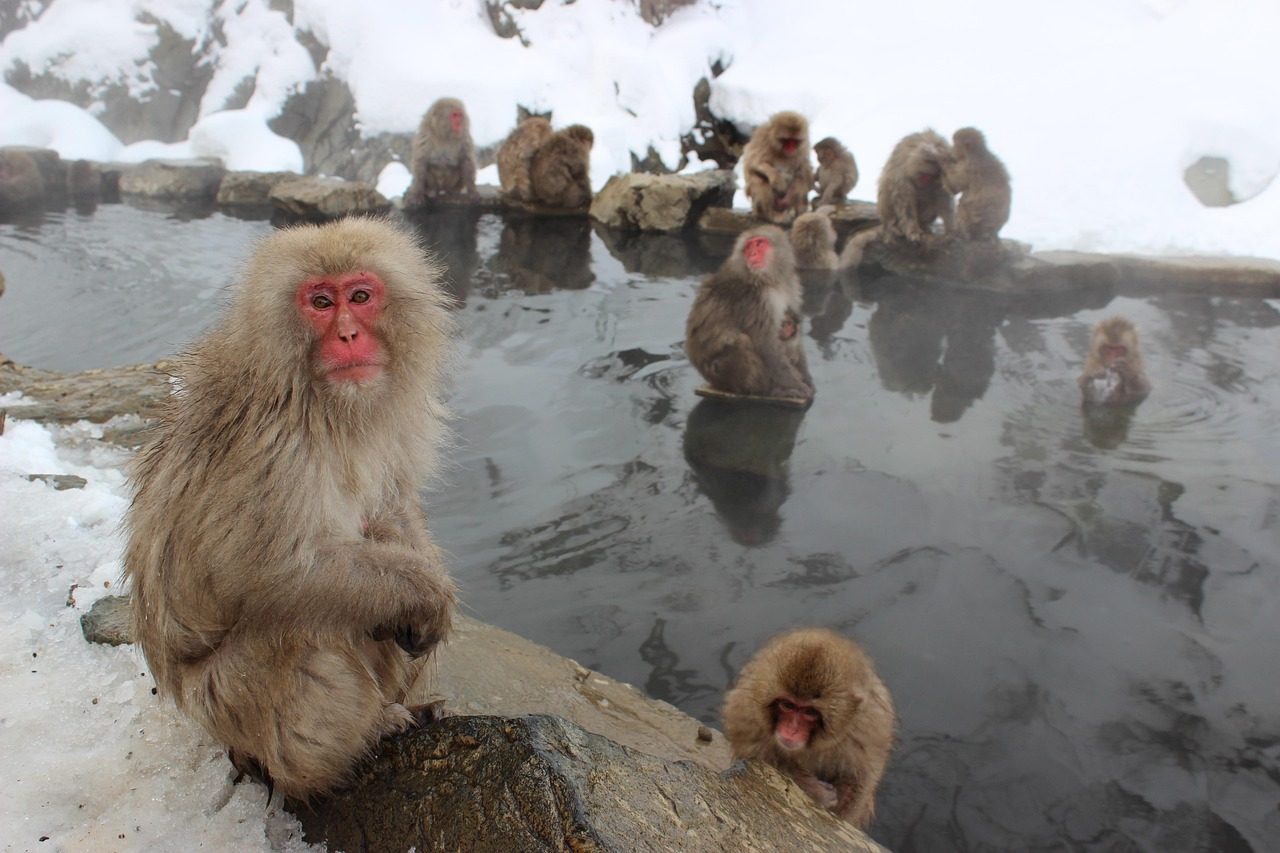
Bathing customs are not spelled out in the source material, so confirm the washing, towel, and entry rules at your ryokan or the local tourist office before a public bath. What the geography does tell you is that hot springs are concentrated in volcanic areas, especially Kyushu. Keep the sequence simple: climb first, soak later, and let the hot water be the endpoint rather than the opening act.
Timing the yen with the USD/JPY exchange rate board
Japan’s currency is the yen, and a daily reference rate can act as a planning benchmark. On 9 November 2026, the USD/JPY exchange rate board showed an ECB reference of 157.95 yen to one US dollar, down 0.38 yen, or 0.24 percent, from the previous publication. The page also lists upcoming high-importance events for US CPI, Japan CPI, US employment data, and the FOMC, which can move the pair. The board is explicit that the daily reference is not a real-time trading price, so it is best used to time when you buy yen rather than as a live quote. Check it before exchanging cash or topping up a yen travel card, and avoid committing all your dollars in a single transaction.
Packing the plan down to essentials
Book Tokyo accommodation and tours well in advance, and move temple visits to early morning, especially Fushimi Inari. Japan Standard Time is UTC+09:00, so plan around the time difference when watching rate announcements from the US. Leave unscheduled time for the bath; the entertainment stops and the mountain trail do the recovery work together.