
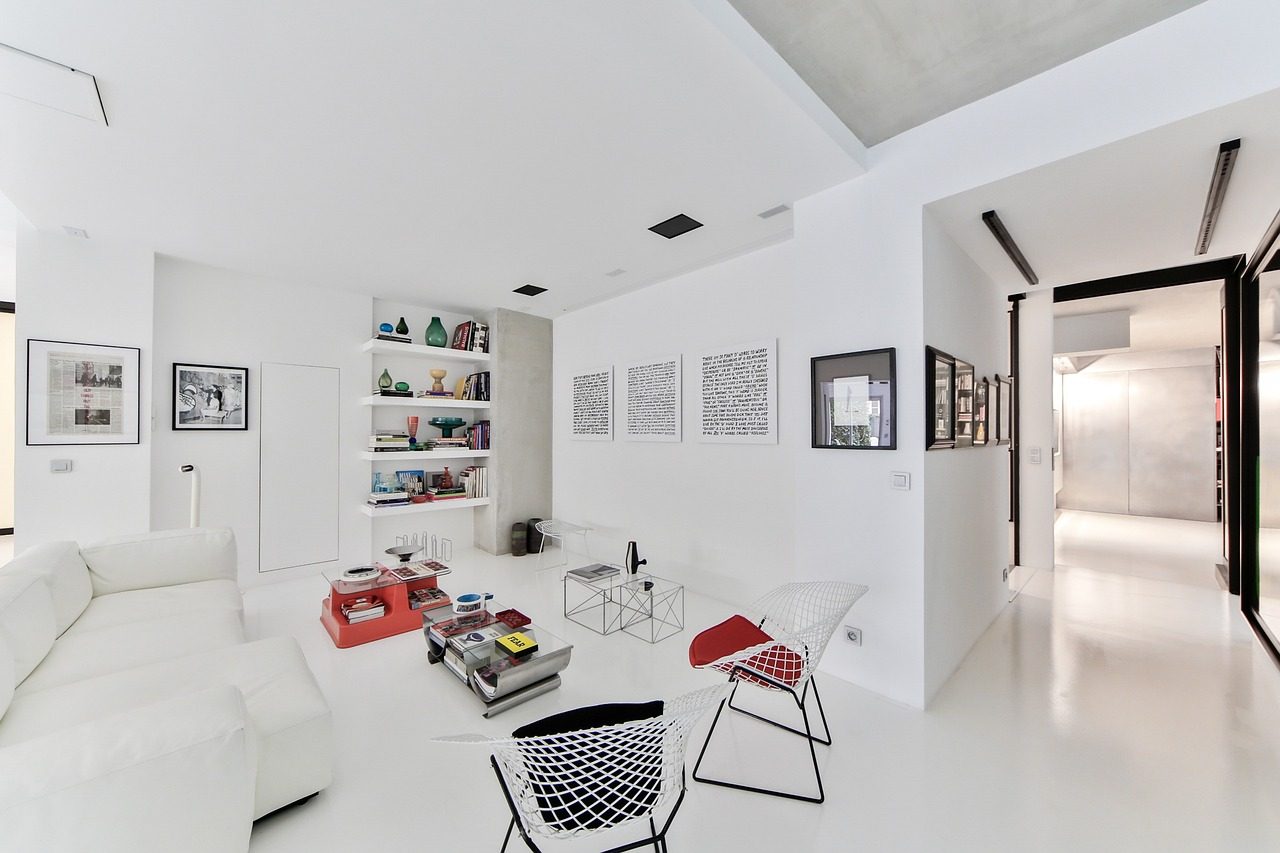
Slow-living television often lingers on small routines: a bicycle ride, a coffee break, a spare room. Those scenes draw on a Swedish cultural pattern that reference works describe as a balanced lifestyle. US viewers looking for a practical stress-reduction model can borrow the same daily choices without waiting for a streaming platform to make a health claim.
Lagom as a documented Swedish value
WorldAtlas describes Swedish people as generally believing in “a balanced lifestyle that includes regular exercise, respect for the environment, and a positive outlook.” The everyday Swedish expression often attached to this balance is lagom—not too little, not too much, but just enough. It is not a single rule but a set of choices repeated in ordinary settings: how long to work, how much to consume, when to pause. Sweden is the largest and most populous Nordic country, with approximately 10.6 million people as of 2025, so this value operates in both dense urban areas and rural communities.
The Nordic context behind slow-living stories
The Nordic countries are five nations in northern Europe. Denmark, Norway, and Sweden form Scandinavia; Finland and Iceland complete the wider Nordic group. WorldAtlas reports that together the region held about 28.3 million people as of January 2025. Each country keeps its own language, government, and character, but they share close historical and cultural ties. Denmark, the southernmost and smallest by area, has a population of about 6.0 million and a coastline of 7,300 km, and around nine out of ten Danes own a bicycle. Those numbers help explain why slow-living television does not feel like a foreign fantasy: balance is already embedded in transport, housing, and leisure across the region.
What slower series make visible
When a Nordic character cycles to work, pauses for coffee, or keeps a room spare and orderly, the camera is showing the same pattern described by WorldAtlas: regular exercise, respect for the environment, and a positive outlook. The reference material available for this article describes cultural norms, not clinical outcomes. It does not measure anxiety scores, work-life balance, or the mental health effects of watching Nordic series before bed. What is documented is a cultural baseline that makes such stories legible: a region where balance is threaded through daily life rather than added as an occasional retreat.
Practical micro-rituals for a calmer day
The balanced lifestyle described in the source material can be broken into small habits that do not require moving to Stockholm. Regular exercise can mean a daily walk or a bike commute instead of a gym. Respect for the environment can mean leaving a margin of quiet in a room, choosing slower travel when possible, or keeping a home spare. A positive outlook can be supported by a short verbal reset. For a Swedish-language break at fikapaus, Pappaskamt.com collects hundreds of dad jokes and puns with search, random selection, and printing. A joke told in another language works as a tiny interruption of routine, no explanation needed.
The limits of a cultural export
The published references describe values, not clinical outcomes. They do not measure whether watching slow-living Nordic series lowers anxiety or improves work-life balance. That distinction matters because it separates a cultural model from a medical claim. Slowness on screen can be pleasant, but no public reference here proves it reduces stress. If you want viewership data or research findings, you would need to ask the university and the platforms directly.
A practical conclusion
Pick one moderate routine—regular movement, time outside, or a short humorous break—and keep it small enough to sustain. The lesson from the reference material is that balance is built through repetition, not perfection. Slow-living television can remind you of that pattern, but the habit itself happens in your own day.