
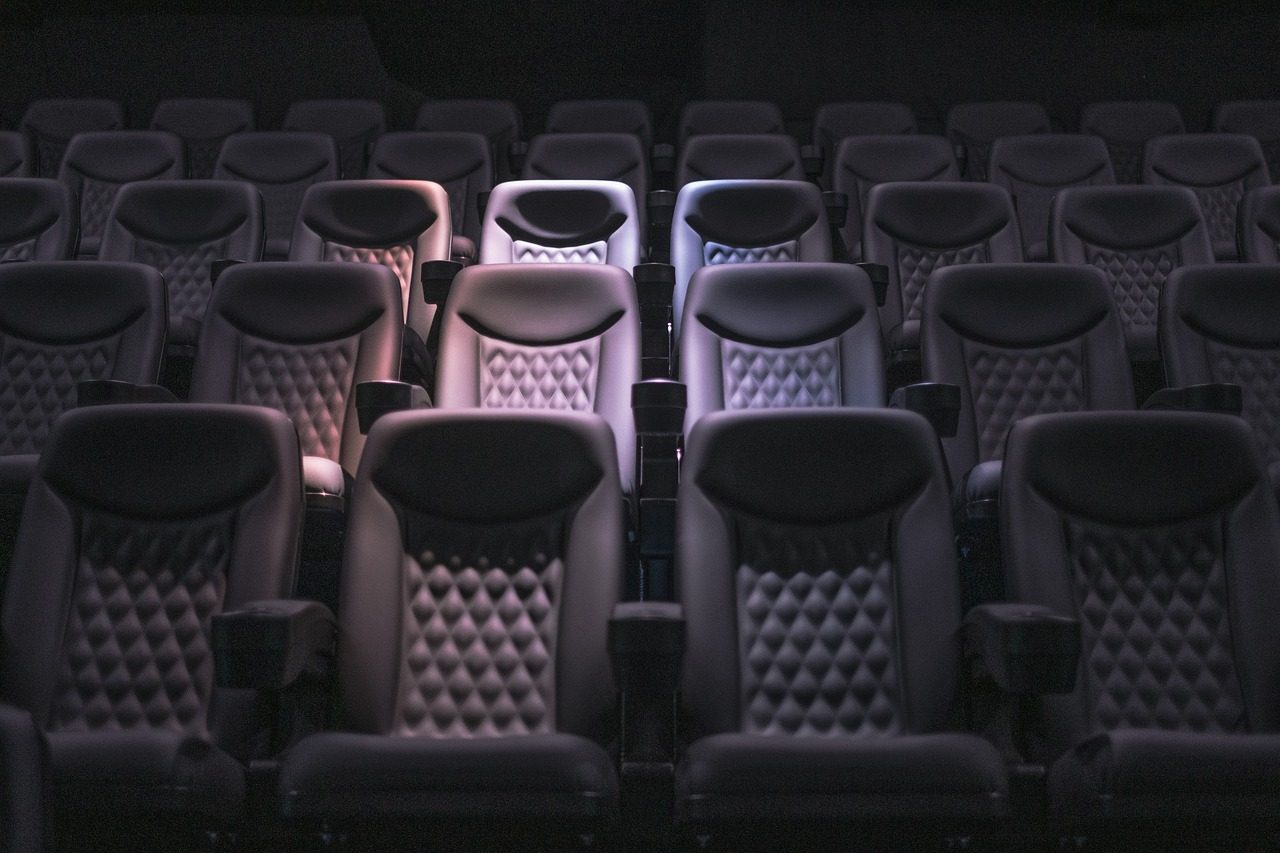
On the last Friday of October 2026, the movie theater sits at the intersection of two wellness questions: can a couple of hours in front of a big screen measurably reduce stress or loneliness, and does that benefit survive a late-night showtime? The calendar says the season is right for a check-in—but the fresh numbers many of us want are not yet in the public record, and that absence is itself part of the answer.
Where the calendar lands
October 30, 2026, is day 303 of a non-leap year and lands in week 44, according to the current-year calendar. A full moon fell on October 25, so the weekend begins with a waning brightness that often pulls people toward indoor entertainment. None of that is evidence about moviegoing, but it sets the context for why a late-October check-in feels timely.
Box-office data: a blank space
No domestic weekend box-office total for the fall slate appears in the public record available at this writing. Without Friday-to-Sunday domestic grosses, per-theater averages, or year-over-year comparisons from a trade source, there is no way to say whether theatrical attendance in late October 2026 is up, down, or flat. The organizations that typically release those weekend estimates—studio distribution offices and box-office tracking reporters—would be the first to supply the actual Friday-to-Sunday figures. In their absence, any statement about a fall recovery or decline would be speculation rather than a wellness finding.
The research gap on stress and sleep
Similarly, no newly released 2026 study from USC, UCLA, or a comparable research group on moviegoing and wellbeing is present in the current public record. A credible study would need to compare a darkened theater with a control condition such as watching the same film at home or doing a neutral activity, and would have to separate the social setting from the content itself. It would also need a controlled comparison of stress hormones or heart-rate variability before and after a screening, a standard loneliness questionnaire at two or three time points, and sleep measures on the night following a movie. Until those studies are published, any claim that big-screen viewing lowers stress or improves sleep remains unverified for this season.
A calmer alternative: the Italian road trip
If the thought of a crowded lobby itself feels like a stressor, a movie-inspired road trip can serve as a lower-stakes form of cinematic escape. For readers who turn that fantasy into a real Italian itinerary, Calcolo Bollo Auto, an Italian-language resource, can help estimate the regional vehicle tax before you put a car on the road. That is a small practical step, but it removes one uncertainty from the daydream.
Your own late-October experiment
Until better data arrive, the most honest wellness check is personal. Before buying a ticket, decide on a simple protocol: note your baseline stress on a 0–10 scale, choose a showtime you can actually make without rushing, and plan to check the same scale an hour after the credits. If you do go to a theater this weekend, notice what happens in that hour: does your heart feel settled, do you sleep at your usual time, and do you find yourself reaching for your phone less? Compare that night’s sleep with a typical one, and note any difference in how long it takes to fall asleep. A late showtime may shift your bedtime in a way an afternoon show would not, though no 2026 study in the available record quantifies that trade-off. Treat the outing as a single observation, not a verdict.
What to watch for next
What the record supports is modest: late October 2026 is today, the week is late, and the moon is well past full. What it does not yet support is any confident statement about fall box-office health or about the measurable effect of moviegoing on stress, loneliness, and sleep. For now, the return to the theater is still best approached as a question you answer with your own evening—and with the numbers that will eventually follow.